How to Quit Porn and Break the Addiction Cycle for Good
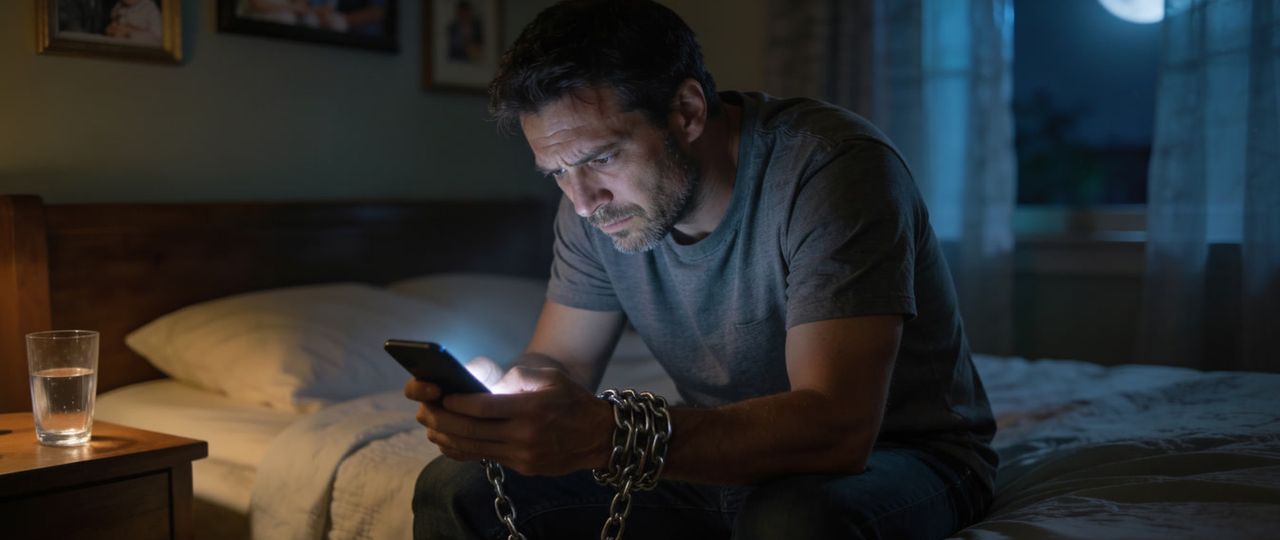

How to quit porn?
To quit porn, start by identifying the triggers and underlying emotions that lead you to pornography, then interrupt the pattern before an urge becomes a relapse. Remove easy access to porn, replace the behavior with healthier ways of handling stress and loneliness, and build accountability with people you trust. Lasting freedom requires more than willpower. A Christ-centered recovery plan can help you address the root causes of pornography use, renew your mind, rebuild healthy relationships, and create new patterns for long-term freedom.
If You’ve Tried to Quit Porn and Keep Relapsing, Read This
Learning how to quit porn starts with understanding why pornography can become so difficult to leave behind. Porn use can develop into a repeating cycle of triggers, urges, temporary relief, shame, and renewed temptation that willpower alone may not break.
Soul Refiner's Conquer Series was built to walk men through exactly this, helping you quit porn for good.
Lasting freedom requires identifying what drives the behavior, changing the habits that reinforce it, building meaningful accountability, and addressing the deeper emotional and spiritual needs underneath the cycle. The good news is that change is possible, and with the right tools, support, and Christ-centered approach, you can begin building a life that is no longer controlled by pornography.
Chances are you’ve already said:
- “This is the last time.”
- “I’ll start fresh tomorrow.”
- “I just need more discipline.”
Maybe it worked… for a day, or a few days. But then something happens:
You’re exhausted.
Stress from work, family, or life weighs on you.
You’re alone, or just mentally drained.
Before you even realize it - you’re back in the cycle.
And the aftermath? The sting hits: frustration, shame, guilt.
Thoughts like:
- “Why can’t I stop?”
- “What’s wrong with me?”
Here’s the truth: nothing is wrong with you. You’re not weak or broken. You’ve just been trying to break a deeply wired cycle with willpower alone. And willpower - especially alone - is like trying to stop a freight train with your bare hands.
Related Article: How Can I Break Free From Porn?
Why You Keep Relapsing (The Real Cycle)
Porn use isn’t random. It’s a learned loop your brain keeps running:
Trigger → Urge → Porn → Relief → Shame → Medicate the shame → Repeat
Think about the last time you relapsed: maybe it was late at night, scrolling “just for a second,” feeling a little bored or lonely. Your brain sees porn as a fast path to relief. It doesn’t negotiate - it acts automatically.
That’s why it can feel like you have no control. Because, in many ways, you don’t - yet. The good news: what’s predictable can be changed, step by step.
If This Is You, You’re Not Alone (Real-Life Scenarios)
Late at Night:
Phone in hand, bed empty. You think: “I’ll just scroll for a few minutes.” Exposure leads to curiosity, escalation, relapse.
After a Stressful Day:
Drained and worn out, you just want relief. Porn seems like the fastest escape.
Feeling Disconnected:
Lonely, rejected, unseen. Porn becomes a substitute for connection, a way to numb what you don’t want to feel.
These patterns aren’t random. They’re predictable - and once you see them, you can change them.
Related Article: This Is Why Trying Harder Doesn't Work
How to Quit Porn (What Actually Works)
If you want to break the addiction cycle for good, you need more than motivation. You need a system—a battle plan that works with your brain, not against it.
A complete approach includes:
- Understand the addictive cycle
- Access the wound - what's at the root of the behavior?
- Identifying your personal triggers
- Interrupting the cycle early by getting off the FASTER scale
- Replacing porn with healthier coping strategies
- Building accountability
- Creating structure
- Shifting your identity
How to Quit Porn: 8 Steps Toward Lasting Freedom
Quitting porn takes more than trying harder or promising yourself that this time will be different. Lasting recovery comes from understanding what drives the behavior, changing the patterns that reinforce it, and building a healthier way to respond to temptation, stress, loneliness, and other triggers. These eight steps can help you begin breaking the cycle.
Step 1: Understand the Porn Addiction Cycle
The first step in learning how to quit porn is recognizing the cycle that keeps pulling you back. Porn use often follows a predictable pattern: a trigger creates an emotional or physical urge, pornography provides temporary relief or escape, and that relief is followed by guilt, shame, frustration, or another promise to stop.
Instead of focusing only on the moment you watch porn, begin looking at what happens before and after it. Understanding your personal cycle gives you opportunities to interrupt it before the urge becomes overwhelming.
Step 2: Address the Root Cause Behind Your Porn Use
Pornography is often serving a purpose beyond sexual gratification. It may become a way to escape stress, loneliness, rejection, boredom, anger, insecurity, or emotional pain.
Ask yourself a deeper question: What am I looking for when I turn to porn?
Identifying the emotional wounds and unmet needs underneath the behavior can help you address the real problem instead of continually fighting the symptom. Lasting recovery means learning healthier ways to process difficult emotions rather than escaping them through pornography.
Step 3: Identify Your Porn Triggers
Pay attention to the situations, emotions, environments, and routines that increase your desire to watch porn. Common triggers can include stress, loneliness, boredom, conflict, rejection, exhaustion, social media, being home alone, or using your phone late at night.
Write down your most common triggers and look for patterns. The better you understand what activates the cycle, the more prepared you can become to respond differently.
Step 4: Interrupt the Cycle Before the Urge Takes Control
Once you recognize a trigger, act early. Don't wait until you're already fighting an intense urge.
Change your environment, put down the device, go outside, exercise, pray, call someone you trust, or move into a space where you aren't isolated. Creating distance between the trigger and your old response gives you time to make a different choice.
Over time, repeatedly interrupting this pattern helps weaken the connection between a trigger and pornography.
Step 5: Replace Porn With Healthier Responses
Simply removing pornography leaves a void. If porn has been your way of dealing with stress, loneliness, boredom, rejection, or emotional pain, you need healthier ways to meet those needs.
Exercise, meaningful relationships, hobbies, prayer, Scripture, time outdoors, serving others, and honest conversations can all become healthier responses. The goal isn't merely to stop watching porn. It's to build a life where pornography is no longer your primary source of escape, comfort, stimulation, or relief.
Step 6: Build Honest Accountability
Porn addiction thrives in secrecy. Recovery becomes much harder when you try to do it alone.
Find trustworthy people with whom you can be completely honest. That might include a close friend, pastor, mentor, counselor, recovery group, or accountability partner. Give them permission to ask difficult questions and contact them when you're struggling, not only after a setback.
Accountability isn't about policing your behavior. It's about bringing your struggle into the light and building relationships where honesty replaces isolation and shame.
Step 7: Create Boundaries That Make Porn Harder to Access
Don't rely on willpower when you can change your environment.
Use content filters or accountability software, remove apps or accounts that regularly expose you to sexual content, establish boundaries around social media, and avoid taking your phone into situations where you're most vulnerable. If nighttime is a problem, charge your phone outside the bedroom.
These boundaries aren't the complete solution, but they create valuable space between temptation and action while you work on the deeper issues driving the behavior.
Step 8: Shift Your Identity From Shame to Freedom
Recovery isn't only about counting the number of days since you last watched porn. It's about becoming a different kind of person.
For Christians, that means learning to see yourself through your identity in Christ rather than through your failures. Shame says, “This is who I am.” Grace allows you to acknowledge what happened while continuing to move toward who God is calling you to become.
Get the Best of Soul Refiner in Your Inbox
Join over 100,000 readers and receive practical insights, encouragement, and resources for healing, growth, and restoration delivered straight to your inbox.
No spam. We'll never sell or share your email, and you can unsubscribe anytime.
By signing up, you agree to our Privacy Policy.
A setback doesn't erase your progress. Examine what happened, identify what you can learn from it, reconnect with your support system, and continue forward. Quitting porn for good is not simply about resisting pornography. It's about renewing your mind, restoring healthy relationships, developing new patterns, and learning to live in freedom.
Identify Your Triggers (Get Specific)
Triggers are not random - they repeat.
Common ones include:
- Late nights
- Stress after work
- Being alone with your phone
- Emotional discomfort (boredom, anxiety, loneliness)
- Fatigue
Ask yourself:
- When do I relapse most often?
- What mental state am I in just before it happens?
- What environment am I in?
Clarity here is power. Without it, recovery is guesswork.
Interrupt the Pattern Early
Watch for early signals. The Conquer Series teaches men H.A.L.T.
- Hungry
- Angry
- Lonely
- Tired
Early intervention is where real control is built. Catch the urge before it peaks, and the cycle can be broken.
What to Do When Urges Hit (Real-Time Protocol That Works)
Isolation is where this cycle survives. Don’t try to fight it alone. The key is to be present and recognize what is happening mentally that lead you to this place where you feel the urge to relapse. Are you speeding up? Are you tired? Are you angry? If you be present with those emotions, then you can get yourself off the fast track to relapse and get back to a healthy mental state. When you find yourself starting to crash, then get present with your feelings and do the following:
- Reach Out Immediately (Break Isolation First)
Call, text, or leave a voice message for your accountability partner. Breaking isolation is more powerful than willpower. - Change Your Environment
Walk, exercise, take a cold shower, or breathe deeply. Your body and mind are connected - shifting your state interrupts the urge cycle. - Reset Your Body (Shift Your State)
Move away from access or triggers: leave the room, get out of bed, step away from your phone or computer. - Redirect Into Something Structured
Task, conversation, responsibility, or intentional rest. Don’t just distract yourself - exit the cycle fully.
This is how you regain control. Over time, these steps rewire your brain to no longer rely on porn for relief.
Replace the Behavior (Don’t Just Remove It)
Getting rid of an urge isn’t about stopping - it’s about replacing.
Think of a song stuck in your head: you don’t just try to push it out—you play another song.
When an urge hits, shift into something that changes your state:
Move your body
Engage in structured activity
Connect with someone
Serve, create, or work
Take intentional rest or prayer
Over time, the urge loses its control. You’re retraining your brain for freedom, not just resisting temptation.
You Cannot Do This Alone
Porn thrives in secrecy.
Recovery requires:
- Understanding the brain and the addictive cycle
- Knowing how to access the deep wounds that drive behavior
- Accountability
- Honest conversations
- Structure
Isolation keeps the cycle alive. Connection breaks it faster than control ever could.
What Recovery Actually Looks Like (Real Freedom)
Healing doesn’t start with behavior change - it starts at the Cross and is completed in the transforming power of Christ.
This isn’t about “managing” addiction forever. It’s about becoming a new creation.
“If anyone is in Christ, he is a new creation.” - 2 Corinthians 5:17
In Christ, you are not defined by your past. You are renewed-mind, identity, and life.
Men who embrace Christ-centered recovery experience:
- Restored relationships
- Renewed purpose
- Strengthened character
- Freedom that impacts family, work, and community
This is what it means to become more than a conqueror—walking in lasting freedom through Christ.
If You’re Serious About Breaking This Cycle, Start Here
At this point, understanding the pattern isn’t enough. Real change happens when you apply it to your situation.
Most men stay stuck because they don’t clearly identify:
- The root or the wounds that drive the behavior
- Personal triggers
- Understanding the addictive cycle
- The recovery path they actually need
Your next step:
- Take the Sexual Addiction Screening Test (SAST) on Soul Refiner.
- Get signed up at soulrefiner.com and go through the Conquer Series.
If you've tried and failed before, it helps to understand why willpower alone isn't enough.
Having a concrete plan for high-risk moments matters just as much as understanding the cycle itself.
This structured, private assessment is the first real step toward lasting freedom.
You are not stuck forever.
You are not the only one dealing with this.
You are not beyond change.
Freedom doesn’t come from trying harder at the same cycle - it comes from finally understanding it and replacing it with something that works.
Free download: 10 Questions Every Man Must Answer About His Sexual Integrity — a short self-assessment you can work through on your own.

Equipping women and couples with biblical wisdom, practical tools, and compassionate guidance to pursue healing, and strengthen relationships.
More articles by Tiana Wiles →Frequently Asked Questions
Is porn addiction real?
Yes. Compulsive patterns, loss of control, cravings, and repeated relapse are well-documented. We recommend that you take the SAST to determine if sex addiction exists.
Why is pornography so difficult to quit?
Pornography can create powerful patterns in the brain by becoming a coping mechanism for stress, loneliness, anxiety, boredom, or emotional pain. Without addressing these underlying issues, many people find themselves repeating the same cycle even when they sincerely want to stop.
Can someone fully recover from porn addiction?
Yes. Many people experience lasting freedom from pornography through intentional recovery, honest accountability, biblical truth, and supportive community. Recovery is often a journey of personal and spiritual transformation rather than a quick fix.
What role does accountability play in overcoming porn addiction?
Accountability provides encouragement, honesty, and support during recovery. A trusted mentor, recovery group, or accountability partner can help identify triggers, celebrate progress, and provide guidance during difficult moments, making long-term success much more achievable.
How does faith help someone overcome pornography?
Faith provides hope, purpose, and a new identity that is not defined by addiction. Through prayer, Scripture, Christian community, and a growing relationship with Christ, many people find the strength and healing needed to break free from pornography and experience lasting transformation.
How to Quit Pornand Find Lasting Freedom
Discover the biblical and neuroscience-based approach that has helped millions of men and
over 50,000 churches break the addiction cycle and pursue lasting freedom.
No Credit Card Needed
Recommended Articles
 Porn Recovery
Can Christians Watch Porn? What the Bible Says
A straight biblical answer on whether Christians can watch porn — what Scripture says, why believing men still struggle, and where freedom starts.
 Porn Recovery
Biblical Manhood: What Scripture Calls Men To
Biblical manhood isn't about being tougher or more traditional. Here's what Scripture actually calls men to - and the integrity it takes to get there.
 Porn Recovery
Why does my husband choose porn over me?
The question burning in your chest is why you were not enough. That question starts with a false premise. His porn use began as a choice and became a rewired brain chasing a chemical, which explains the behavior without excusing it. Here is what that means for him, and what it means for your own healing.