Will I Ever Want to Be Intimate Again After Betrayal?
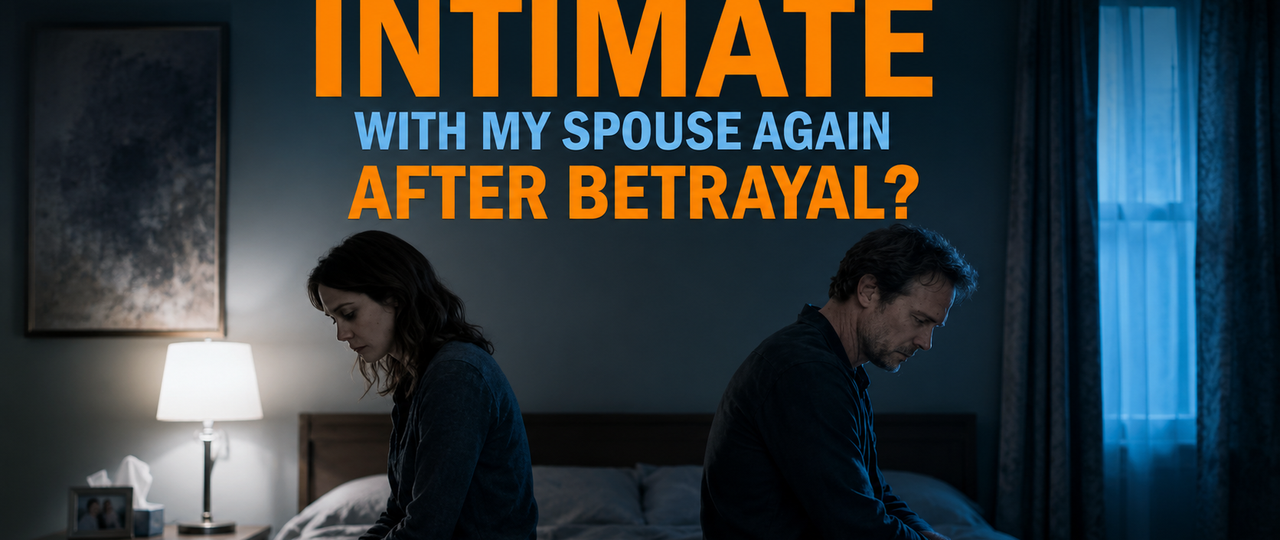

Will I ever want to be intimate again after betrayal?
Yes, though not on a schedule anyone can promise. After betrayal your brain registers what happened as trauma. The amygdala fires, cortisol floods your body, and your nervous system moves into fight, flight, or freeze. The person who hurt you becomes neurologically associated with danger, and intimacy requires safety. Tensing at his touch, numbness, and anger are normal trauma responses, not evidence that something is wrong with you. Your nervous system simply needs time to recalibrate.
Let’s just say it out loud.
If you recognize this in your own story, healing from betrayal trauma may help.
After betrayal, intimacy can feel impossible.
Not just hard. Not just awkward.
Unsafe.
If you’ve experienced betrayal trauma, your body may tense at his touch. You might feel numb. Or angry. Or completely disconnected. And then the shame creeps in: What’s wrong with me?
Nothing is wrong with you.
What you’re experiencing makes sense -spiritually, emotionally, and neurologically.
Let’s talk about it.
Betrayal Isn’t Just Emotional -It’s Neurological
When you discover betrayal, your brain processes it as trauma.
The same alarm system that activates during physical danger -your amygdala -lights up. Stress hormones like cortisol flood your body. Your nervous system shifts into fight, flight, or freeze.
And here’s the part no one explains enough:
Your spouse -the one who hurt you -becomes neurologically associated with danger.
Intimacy requires safety.
Your brain is currently wired for protection.
That doesn’t mean you’ll never want intimacy again.
It means your nervous system hasn’t recalibrated yet.
And that takes time.

Related Article: The 6 Rs To Stop Picturing What Your Unfaithful Husband Did
The Body Keeps Score (Literally)
Research in trauma science shows that betrayal can create somatic responses -meaning your body remembers what your mind is trying to process.
You might notice:
- A pit in your stomach
- Tightness in your chest
- Numbness
- Irritability when he initiates affection
- Feeling “shut down” during physical contact
This isn’t you being cold.
This is your nervous system doing its job.
God designed your body to protect you.
But What About the Bible?
Sometimes well-meaning Christians quote verses about marriage and submission and make women feel like something is spiritually wrong if they don’t want intimacy.
But Scripture never calls you to override wisdom or safety.
In Song of Solomon 2:7, we’re told:
“Do not arouse or awaken love until it so desires.”
That’s consent language. That’s timing language.
Intimacy in marriage is meant to flow from safety and mutual honor -not obligation or pressure.
And in Psalm 34:18, we’re reminded:
“The Lord is close to the brokenhearted…”
God is not standing over you with a stopwatch asking when you’ll “get back to normal.”
He is near. Especially here.
Related Article: Restoring Intimacy To Your Relationship
Will You Ever Want Him Again?
Possibly. Yes. It is possible.
But not by forcing yourself.
Get the Best of Soul Refiner in Your Inbox
Join over 100,000 readers and receive practical insights, encouragement, and resources for healing, growth, and restoration delivered straight to your inbox.
No spam. We'll never sell or share your email, and you can unsubscribe anytime.
By signing up, you agree to our Privacy Policy.
Desire after betrayal is rebuilt through:
1. Safety
Consistent transparency.
Truth over time.
Behavior that aligns with repentance.
Trust is rebuilt in patterns, not promises.
2. Nervous System Regulation
Healing isn’t just spiritual - it’s physiological.
When your body begins to experience repeated, safe interactions, your brain slowly rewires. This is called neuroplasticity. The brain can form new associations - even with the same person - if their behavior is consistently different.
That’s science. And it’s hopeful.
3. Emotional Intimacy Before Physical Intimacy
Women often need emotional connection to feel physical desire. After betrayal, emotional safety has been fractured.
Physical closeness without emotional repair often deepens the disconnect.
Rebuilding friendship, communication, and spiritual unity lays groundwork your body can trust.
It’s Okay If You Don’t Feel Anything Yet
Some women feel revulsion. Some feel grief. Some feel nothing at all.
Numbness is not failure. It’s protection. And protection isn’t rebellion - it’s wisdom while healing is incomplete.
In Ecclesiastes 3:1, we’re told:
“There is a time for everything…”
There is a time to grieve.
A time to rebuild.
And eventually, possibly, a time to rediscover intimacy.
But you don’t skip seasons to appear strong.
What Actually Helps
From both clinical research and biblical wisdom, these things matter:
- Clear boundaries
- Honest disclosure
- Consistent repentance
- Trauma-informed counseling
- Community with women who understand
- Renewing your mind (not suppressing your pain)
In Romans 12:2, Paul talks about the renewing of the mind. That renewal isn’t denial. It’s transformation through truth.
Healing happens when your mind, body, and spirit align with reality -not when you pretend it didn’t hurt.
A Gentle Word About Hope
Some marriages do rebuild deeper intimacy than before. Some take longer than expected. Some require separation for a season. Your timeline is not someone else’s testimony.
If you’re walking this road, you don’t need platitudes. You need truth, structure, and steady guidance.
That’s exactly why From The Ashes (through Soul Refiner) was created - to walk through betrayal recovery in a way that is biblically grounded and trauma-informed. It addresses the nervous system, boundaries, repentance, identity, and rebuilding trust - without rushing intimacy or shaming pain.
It’s not about “fixing” you. It’s about helping you heal.
Final Thought - Woman to Woman
If you’re wondering whether you’ll ever want him again, the better question might be: “Will my heart and nervous system ever feel safe again?” That’s the real work. And healing is possible.
Not overnight. Not by pressure. But through truth, consistency, and God’s steady presence with you in the rebuilding.
You are not broken. You are not “obligated” to perform as a “wifely duty.” The covenant was broken when he betrayed you. You are responding to trauma.
And that is something that can be healed.
If you're healing from betrayal, these posts may help: a word to the heartbroken wife, full disclosure after porn addiction, and full disclosure, commitment, and honesty.
Free download: Betrayal Trauma Stabilization Guide — for the first weeks after discovery.

Equipping women and couples with biblical wisdom, practical tools, and compassionate guidance to pursue healing, and strengthen relationships.
More articles by Tiana Wiles →Frequently Asked Questions
Why does my body tense up when my husband touches me?
Because your body remembers what your mind is still processing. Trauma science calls these somatic responses, and they show up as a pit in your stomach, tightness in your chest, numbness, irritability when he initiates affection, or feeling shut down during physical contact. This is not you being cold. It is your nervous system doing the protective job God designed it to do.
Is it wrong to say no to sex after my husband's betrayal?
No. Scripture never calls you to override wisdom or safety, and Song of Solomon 2:7 says, “Do not arouse or awaken love until it so desires.” That is consent language and timing language. Intimacy in marriage is meant to flow from safety and mutual honor, not obligation or pressure. You are not obligated to perform a wifely duty while the covenant is still being repaired.
How long does it take to feel safe with my husband again?
There is no schedule anyone can honestly promise you, and your timeline is not someone else's testimony. Some marriages rebuild deeper intimacy than before, some take far longer than expected, and some require separation for a season. What moves it forward is truth over time and behavior that matches repentance, because trust is rebuilt in patterns rather than promises.
What actually rebuilds desire after betrayal?
Three things working together. Safety, meaning consistent transparency and behavior that aligns with repentance. Nervous system regulation, because repeated safe interactions let your brain slowly form new associations even with the same person. And emotional intimacy before physical intimacy, since physical closeness without emotional repair usually deepens the disconnect rather than healing it.
Is it normal to feel completely numb after betrayal?
Yes. Some women feel revulsion, some feel grief, and some feel nothing at all. Numbness is not failure; it is protection, and protection is not rebellion but wisdom while healing is incomplete. Ecclesiastes 3:1 reminds us there is a time for everything, including a time to grieve. You do not have to skip a season in order to look strong.

How to Quit Pornand Find Lasting Freedom
Discover the biblical and neuroscience-based approach that has helped millions of men and
over 50,000 churches break the addiction cycle and pursue lasting freedom.
No Credit Card Needed
Recommended Articles
 Betrayal Trauma
My Husband Watches Porn: What Now?
If your husband watches porn, the shock and grief you feel have a name — betrayal trauma. Here's what's real, what isn't your fault, and what to do next.
 Betrayal Trauma
When Labels Do More Harm Than Good
Narcissist. Codependent. Gaslighter. Trauma bond. Scroll far enough and there is a term for everyone in your life, and it feels like clarity. Sometimes it is. Often it is a way to villainize instead of understand, and it quietly declares a person beyond change. Scripture says otherwise.
 Betrayal Trauma
Resentment After Betrayal Kills
That hot, protective anger after betrayal feels like the only thing keeping you upright, and you have every right to feel it. But bitterness does not punish the person who hurt you. It keeps you chained to them. Here are five ways resentment quietly costs you, and how to start loosening its grip.