Thanksgiving as Warfare: How Gratitude Renews the Mind


How does gratitude renew the mind?
Gratitude calms the survival brain, strengthens impulse control, and reframes a trauma narrative from loss toward restoration. Berkeley neuroscience research found it increases activity in brain regions governing emotional regulation and empathy, with lasting effects. Scripture treats thanksgiving the same way, as a sacrifice offered deliberately (Psalm 116:17), the way Jesus gave thanks before provision came. In addiction recovery and betrayal healing, gratitude is an act of resistance.
As we gather around the table this Thanksgiving, many of us are reflecting on what we're thankful for - family, health, provision, freedom. But, gratitude should be more than a seasonal feeling. What if it's a tool God has given us to rewire the brain, to help us heal from some of life’s deepest wounds and often the thoughtless decisions we make that wound ourselves and others?
If you’ve walked through the valley of addiction or experienced the devastating pain of betrayal, gratitude might not be the first thing that comes to mind. But science - and Scripture - are uncovering something remarkable: giving thanks is not just a spiritual discipline; it’s a neurological intervention.
If addiction has had a grip on your mind, the Conquer Series uses the same kind of brain science to help you find lasting freedom.
The Science Behind Gratitude and Brain Healing
Modern neuroscience shows that gratitude literally changes the brain. A 2015 study from the University of California, Berkeley used fMRI scans to observe the brains of participants who practiced gratitude. They found increased activity in the medial prefrontal cortex-the area associated with decision-making, emotional regulation, and empathy-even months after the practice ended. In other words, the habit of gratitude has a lasting impact on the brain’s ability to manage stress and emotional pain.
Similarly, a 2003 study by Dr. Robert Emmons and Dr. Michael McCullough found that participants who kept a daily gratitude journal reported better sleep, reduced symptoms of depression, and higher levels of optimism. These benefits are crucial for those recovering from addiction, which often hijacks the brain’s reward circuitry, or betrayal trauma, which can leave the nervous system in a state of chronic hypervigilance.
Gratitude helps shift the brain’s focus from threat to safety, from scarcity to abundance. It restores a sense of agency in people who have felt powerless.
What Scripture Says About Gratitude and Renewal
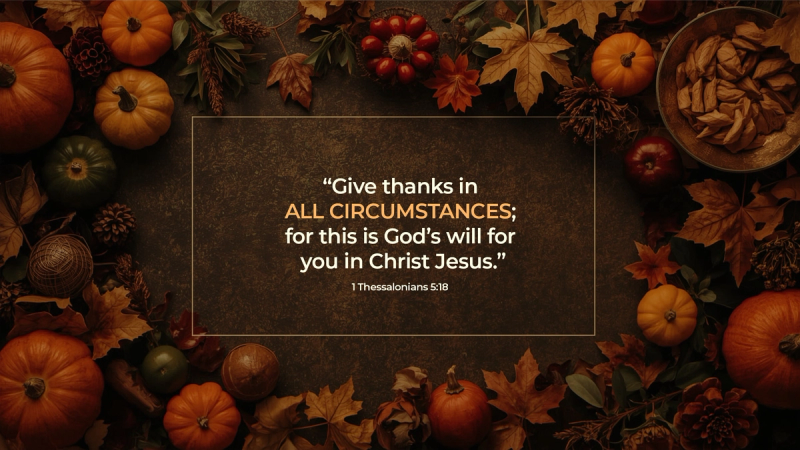
Long before MRI machines and neuroscience labs, Scripture revealed the power of thanksgiving:
Gratitude is not about denying pain-it’s about inviting God into it. The Psalms are full of raw cries of betrayal and grief that often end in thanksgiving:
"I will offer to you the sacrifice of thanksgiving and call on the name of the Lord." - Psalm 116:17
Jesus Himself modeled gratitude before miracles (John 11:41), before provision (Matthew 15:36), and even on the night He was betrayed (Luke 22:19). Thanksgiving, in the Kingdom of God, is not reactive-it’s proactive, a declaration of trust.
How Gratitude Helps Heal Betrayal and Addiction
1. Gratitude calms the survival brain.
Trauma activates the amygdala-the brain’s alarm system. Gratitude engages the parasympathetic nervous system, helping the body return to a state of rest and repair. For those who’ve been betrayed, this shift is critical for learning to feel safe again.
2. Gratitude strengthens the prefrontal cortex.
This region governs impulse control and decision-making-areas compromised in addiction. Cultivating gratitude improves judgment and strengthens the very part of the brain needed to sustain recovery.
3. Gratitude rewrites the story.
Instead of defining life by what was taken, gratitude shifts the lens to what remains-or what God has restored. It gives power back to the victim and dignity back to the addict.
Get the Best of Soul Refiner in Your Inbox
Join over 100,000 readers and receive practical insights, encouragement, and resources for healing, growth, and restoration delivered straight to your inbox.
No spam. We'll never sell or share your email, and you can unsubscribe anytime.
By signing up, you agree to our Privacy Policy.
Three Simple Ways to Practice Gratitude This Thanksgiving
- Write a daily gratitude list.
Even just three things a day rewires the brain toward hope. Be specific: “I’m thankful for the way the morning light came through the window” trains your brain more than a vague “I’m thankful for today.” - Speak gratitude aloud-especially to God.
Prayers of thanksgiving change us. Try reading aloud Psalm 103 or Psalm 136 as a daily rhythm. - Thank someone who stood by you.
Expressing gratitude to another person activates mirror neurons, deepens relational bonds, and can be healing for both parties.
Gratitude exercises can be found in the GOLD Journal, a powerful companion to the From The Ashes series. This guided journal offers a deep dive into both the biblical and scientific approaches to healing from betrayal trauma. It helps women navigate the pain, gain clarity about his addiction, and discover what true healing requires.

Gratitude Is a Pathway to Freedom
If you’ve known the grip of addiction or the ache of betrayal, you may feel broken or beyond repair. But gratitude, when practiced daily, becomes an act of resistance-a way to say, “My pain will not have the final word.”
This Thanksgiving, let your gratitude be more than a feeling. Let it be a weapon in your healing. Let it be worship. Let it be the start of a daily practice that turns into a brain transforming pattern for life.
“Do not be conformed to this world, but be transformed by the renewal of your mind...” - Romans 12:2 (ESV)
Gratitude is not just a virtue. It’s a strategy. And in the hands of God, it becomes part of your redemption story.
Find support, encouragement, and godly wisdom as you walk alongside other women on the path to healing. Join a From The Ashes group and take your first step toward restoration today.

Related Article: How to Renew Your Mind After Porn and Find Lasting Freedom
Related Article: Give Thanks For The Progress You’ve Made
Related Article: How Entitlement in Kids Can Lead to Addiction Later in Life
For more on this topic, see the silent marriage killer and how to safeguard your family online.

Sharing practical insights, biblical encouragement, and stories of transformation to help individuals and families pursue healing, hope, and lasting freedom.
More articles by Karissa Suzanne →Frequently Asked Questions
What does brain research say about practicing gratitude?
A 2015 study from the University of California, Berkeley used fMRI scans and found increased activity in the medial prefrontal cortex, the area tied to decision-making, emotional regulation, and empathy, even months after the practice ended. A 2003 study found that people who kept a daily gratitude journal reported better sleep, fewer symptoms of depression, and higher levels of optimism. The habit leaves a lasting mark.
How do I start a daily gratitude practice?
Three simple habits. Write a daily gratitude list, even just three things, and be specific, because naming the way morning light came through the window trains your brain more than a vague thanks for today. Speak gratitude aloud to God, reading Psalm 103 or Psalm 136 as a daily rhythm. Then thank someone who stood by you, which is healing for both of you.
Can gratitude help with addiction recovery?
Yes. Addiction hijacks the brain's reward circuitry, and gratitude strengthens the prefrontal cortex, the region that governs impulse control and decision-making. That is the exact part of the brain you need working to sustain recovery. Gratitude also shifts your focus from scarcity to abundance and restores a sense of agency to a man who has felt powerless over his own choices.
Does gratitude help with betrayal trauma?
It does, because betrayal trauma leaves the nervous system in chronic hypervigilance. Trauma activates the amygdala, the brain's alarm system, while gratitude engages the parasympathetic nervous system and helps the body return to rest and repair. For someone who has been betrayed, that shift is critical for learning to feel safe again. Gratitude exercises are built into the GOLD Journal, the companion to From the Ashes.
Is being thankful the same as pretending you are not hurt?
No. Gratitude is not about denying pain, it is about inviting God into it. The Psalms are full of raw cries of betrayal and grief that end in thanksgiving, and Psalm 116:17 calls it a sacrifice of thanksgiving, something offered deliberately rather than felt automatically. Jesus gave thanks before the miracle, before the provision, and on the night He was betrayed.

How to Quit Pornand Find Lasting Freedom
Discover the biblical and neuroscience-based approach that has helped millions of men and
over 50,000 churches break the addiction cycle and pursue lasting freedom.
No Credit Card Needed
Recommended Articles
 Porn Recovery
Can Christians Watch Porn? What the Bible Says
A straight biblical answer on whether Christians can watch porn — what Scripture says, why believing men still struggle, and where freedom starts.
 Porn Recovery
Biblical Manhood: What Scripture Calls Men To
Biblical manhood isn't about being tougher or more traditional. Here's what Scripture actually calls men to - and the integrity it takes to get there.
 Porn Recovery
Why does my husband choose porn over me?
The question burning in your chest is why you were not enough. That question starts with a false premise. His porn use began as a choice and became a rewired brain chasing a chemical, which explains the behavior without excusing it. Here is what that means for him, and what it means for your own healing.