How Entitlement in Kids Can Lead to Addiction Later in Life
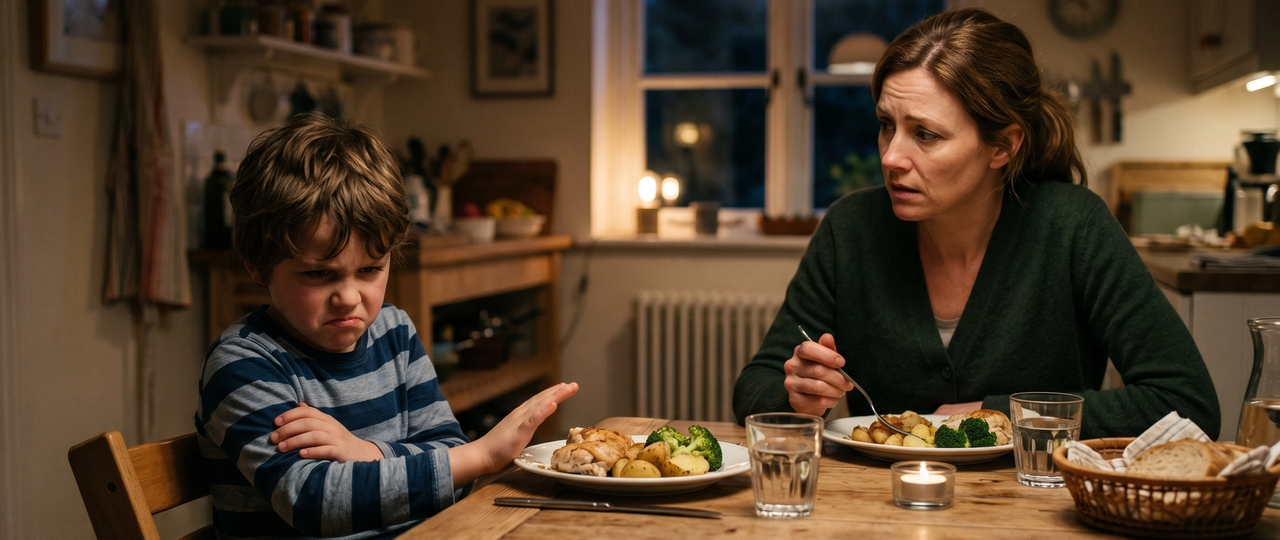

Can raising an ungrateful child really lead to addiction?
Yes, over time it can. Psychologist Dr. Jean Twenge found rising entitlement among young people correlates with higher anxiety, depression, and substance abuse. When reality disappoints an entitled heart, it reaches for quick relief through screens, substances, porn, food, or spending. Gratitude works the other direction, engaging the prefrontal cortex and serotonin system and building lasting contentment. Scripture names ungratefulness as a root, not a small flaw, in Romans 1:21 and 2 Timothy 3:1-2.
If you’re a parent, you’ve likely said it at least once: “Why can’t they just be grateful?”
You’ve sacrificed, provided, loved-and yet your child responds with eye-rolls, demands, or indifference.
For leaders wondering where to begin, porn recovery resources for churches is a good resource.
While it’s tempting to brush off ungratefulness as a phase, ignoring it may have far deeper consequences than we realize. In fact, cultivating a habit of gratitude in your child might not just shape their attitude-it could determine the trajectory of their entire life.
When Ungratefulness Becomes a Character Issue
Ungratefulness isn’t just impolite-it’s a warning sign. Children who grow up believing they are entitled to comfort, praise, and constant pleasure are being conditioned to seek self above all else. Over time, this mindset can mature into self-centered adulthood, marked by restlessness, entitlement, and an inability to cope with discomfort.
Dr. Jean Twenge, a psychologist known for her research on narcissism and entitlement, found that rising rates of entitlement among young people correlate with an increase in anxiety, depression, and substance abuse. Why? Because when reality fails to meet their expectations, they seek to escape into anything that offers quick relief-social media, substances, porn, binge-eating, shopping, gaming.
What began as “my child just doesn’t like hearing ‘no’” can grow into “my adult child can’t handle life without a fix.”
Related Article: Thanksgiving as Warfare: How Gratitude Renews the Mind
Addiction: A Coping Mechanism for the Entitled
Addiction thrives in hearts that are disconnected from gratitude. In brain science, addiction is defined as a chronic dysfunction of the brain’s reward system, which causes compulsive pursuit of pleasure despite consequences. Gratitude, by contrast, activates long-term contentment pathways in the brain-specifically in the prefrontal cortex and serotonin system.
When we fail to teach our children gratitude, we unintentionally train their brains to seek dopamine spikes instead of deep joy. Over time, they become more susceptible to anything that provides fast gratification.
“The ungrateful person sees blessings as burdens and obstacles as offenses.”
And so, they escape.
The Bible Has Been Saying This All Along
Scripture is filled with warnings about ungratefulness:
“But understand this, that in the last days there will come times of difficulty. For people will be lovers of self, lovers of money, proud, arrogant, abusive, disobedient to their parents, ungrateful, unholy,.”
- 2 Timothy 3:1–2 (ESV)
In Romans 1, Paul lists ungratefulness as a precursor to all kinds of corruption:
“For although they knew God, they did not honor him as God or give thanks to him, but they became futile in their thinking, and their foolish hearts were darkened...” - Romans 1:21 (ESV)
Ungratefulness is not just a bad habit. It's the seedbed of rebellion and self-worship.

Related Article: How To Prepare Your Kids For A Porn Saturated World
Get the Best of Soul Refiner in Your Inbox
Join over 100,000 readers and receive practical insights, encouragement, and resources for healing, growth, and restoration delivered straight to your inbox.
No spam. We'll never sell or share your email, and you can unsubscribe anytime.
By signing up, you agree to our Privacy Policy.
How to Cultivate Gratitude in Your Home
1. Model it.
Gratitude is caught more than it’s taught. Let your kids hear you thank God aloud for small things. Express thanks to your spouse. Be vocal about contentment instead of comparison.
2. Make them wait.
Delayed gratification builds resilience. Don’t be afraid to say “no” or “not yet.” Discomfort is a tool for growth-not a crisis to fix. Don’t give into whining, demands, or guilt.
3. Create rhythms of thankfulness.
Around the dinner table, ask: “What’s one thing you’re thankful for today?” Keep a family gratitude journal or use sticky notes on a “blessing board.”
4. Expect contribution.
Chores and responsibilities help children see themselves as part of a larger story-not the center of it. Gratitude grows in kids who know their efforts matter.
5. Correct entitlement early.
When your child says, “That’s not fair,” or “Why didn’t I get more?” - don’t rush to appease. Use it as a teaching moment: “Let’s pause and thank God for what we do have.”
The Long Game: Gratitude vs. Addiction
As parents, we’re not just raising children-we’re shaping future adults. Kids who grow up with an expectation of pleasure will struggle to persevere through pain. But kids who learn the rhythm of gratitude develop stronger emotional resilience, better self-regulation, and a higher threshold for discomfort-all key factors in preventing addictive behavior.
“Oh give thanks to the Lord, for he is good, for his steadfast love endures forever!.”
- Psalm 107:1 (NIV)
If we want our children to stand firm in a culture of indulgence, we must give them something deeper than comfort: a thankful heart anchored in God’s goodness.
Start Small - put this into practice daily
Before the end of the day, as a family name one thing you’re grateful for-and why. Not just what you like, but what shaped you. Not just what’s easy, but what stretched you.
It may feel simple, but it’s soul-forming. And it just might save your child’s future.
For more on raising kids in today's world, see why children become what they behold, preparing kids for a pornified world, and what parents need to know this summer.

Equipping women and couples with biblical wisdom, practical tools, and compassionate guidance to pursue healing, and strengthen relationships.
More articles by Tiana Wiles →Frequently Asked Questions
How do I teach my kids to be grateful?
Model it first, because gratitude is caught more than taught. Let your kids hear you thank God aloud for small things and speak contentment instead of comparison. Then make them wait; delayed gratification builds resilience, so do not fear saying no or not yet. Build rhythms, like naming one thing you are thankful for at dinner. Expect contribution through chores. And correct entitlement early instead of rushing to appease.
Is it normal for kids to be ungrateful?
It is common, which is exactly why parents brush it off as a phase. But ungratefulness is better read as a warning sign than a stage. Children who grow up believing they are entitled to comfort, praise, and constant pleasure are being conditioned to seek self above everything else. Left uncorrected, that mindset matures into self-centered adulthood marked by restlessness, entitlement, and an inability to cope with discomfort.
What does the Bible say about ungratefulness?
Scripture treats it as serious. Second Timothy 3:1-2 lists ungrateful among the marks of people in times of difficulty, alongside lovers of self, proud, arrogant, and disobedient to parents. Romans 1:21 places it even earlier in the slide: people knew God but did not honor him or give thanks, and their thinking became futile and their hearts darkened. Ungratefulness is not a bad habit. It is the seedbed of rebellion and self-worship.
How does gratitude affect the brain?
Gratitude activates long-term contentment pathways in the brain, specifically in the prefrontal cortex and the serotonin system. Addiction runs the opposite direction, functioning as a chronic dysfunction of the brain's reward system that drives compulsive pursuit of pleasure despite the consequences. When children are never taught gratitude, their brains get trained to chase dopamine spikes rather than deep joy, which leaves them more susceptible to anything offering fast gratification.
Should I say no to my child more often?
Yes, and not as punishment. Delayed gratification builds resilience, so no and not yet are tools rather than cruelty. Discomfort is something to grow through, not a crisis to fix, which means whining, demands, and guilt should not change your answer. When your child says that is not fair or asks why they did not get more, resist the urge to appease. Turn it into a moment to pause and thank God for what you do have.

How to Quit Pornand Find Lasting Freedom
Discover the biblical and neuroscience-based approach that has helped millions of men and
over 50,000 churches break the addiction cycle and pursue lasting freedom.
No Credit Card Needed
Recommended Articles
 Parenting
Why “Prince Charming” Is Hurting Our Daughters
Someday your prince will come. He will be strong, handsome, and he will complete you. It sounds sweet until that little girl grows up and marries a real man who forgets anniversaries and loses his temper, and assumes the fairytale crumbling means she chose wrong. Hollywood has discipled our kids better than most churches.
 Parenting
What He Learns About Women Depends on You
Without saying a word, you are teaching your son what a man is. He is watching how you speak to his mother, what you laugh at on screen, how you talk about women in passing, and whether your phone holds secrets. You are his blueprint. He does not need a flawless dad. He needs a faithful one, headed the right direction.
 Parenting
“Will My Child Become a Sex Addict Because I Was?”
Every father who has fought his way out of porn addiction eventually asks it: will my child end up like me? Scripture and epigenetics agree that patterns echo through generations, and that an echo is not a sentence. The risk is real, but the home you build now decides what actually gets passed on.